About Lior Barak

The hardest decision in any budget is what to stop paying for.

I'm Lior Barak, a data and AI ROI advisor based near Berlin, working with companies across Europe. I help CFOs, CEOs and heads of data see what their data, tools, hires and AI really cost, what pays back, and what to stop.

Most people call this data strategy. In practice it's a simpler question: what deserves the budget, and what should end.

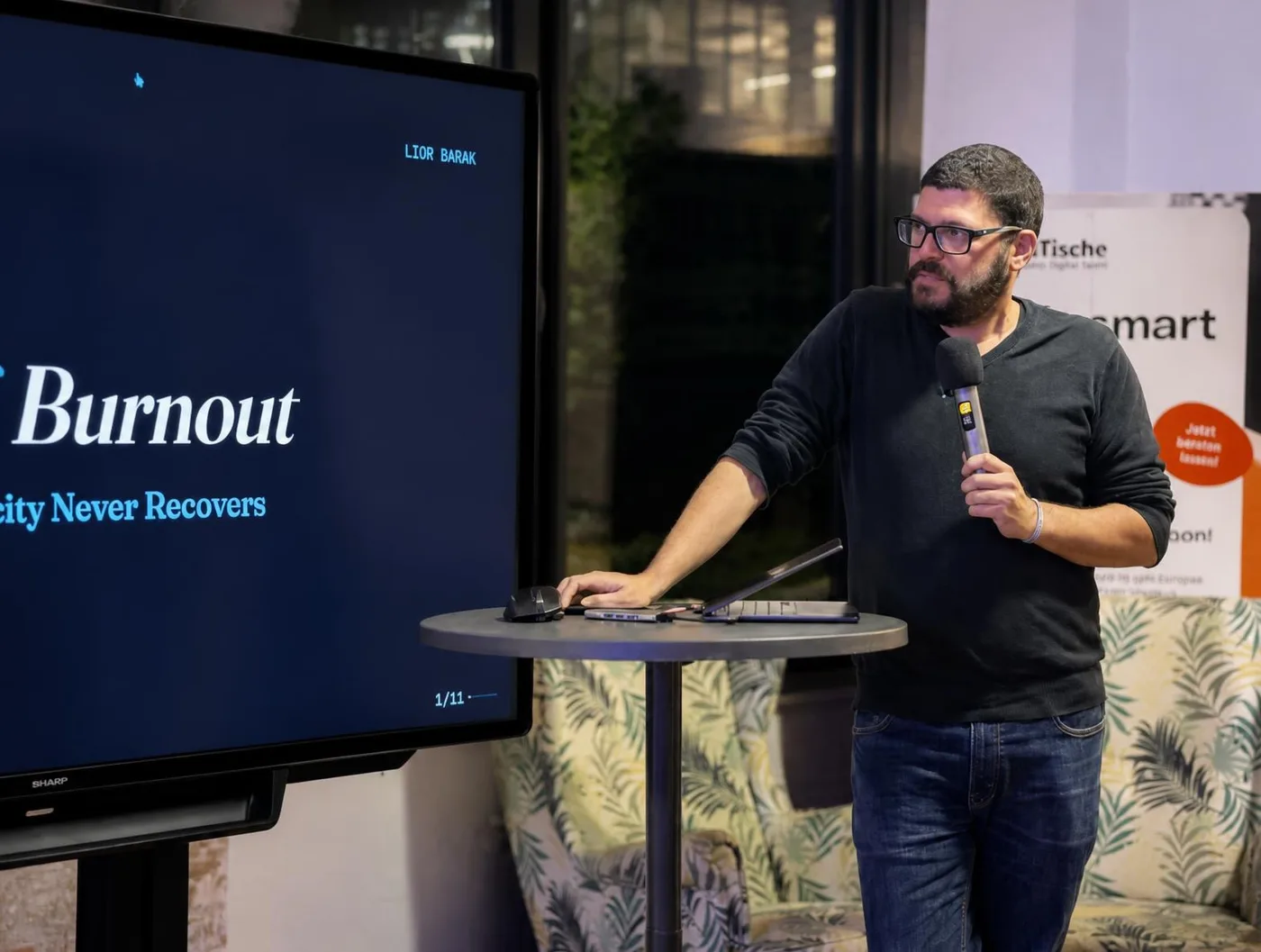
Lior Barak presenting at Data Berlin 2026

Where I learned to see it

A few years ago I was sitting near the pass at a Michelin-starred restaurant, watching thirteen dishes leave the kitchen in silence. No one was running. When a dietary restriction came in mid-service, the kitchen adjusted and kept moving.

I had spent more than a decade building and running data organisations, and I had never seen a team that calm. The difference was a decision made before anyone touched a pan: every day, someone decided what would not go on the menu.

Most companies never make that decision about their spend. They keep adding tools, hires, dashboards and now AI. Each addition was approved for a good reason. Almost none has an owner for the moment it should stop.
What I believe

Data is company capital.

It belongs to the whole business, not to an enablement team parked under the CTO. Capital gets reviewed, and some of it gets withdrawn.

Stopping is as legitimate as starting.

Every budget has a process for approving new work. I build the same process for ending it, with a euro figure beside each decision.

The decision belongs to whoever signed the budget.

My part is to make the cost visible and the choice clear. Every return needs evidence: work replaced, revenue added, risk reduced or decisions improved.

Data is where I learned to see this, but it isn't the boundary. The same question applies to every tool, hire and AI project a company pays for. AI makes it more urgent: building is getting cheaper, so companies can now add cost faster than they add value.

The work I enjoy

I like walking into a situation that has become complicated, finding the cost or the bottleneck nobody has priced, and redesigning how the work runs. The best moment is when a leadership team sees the full cost on one page for the first time and makes a decision it had been postponing.

I work best with direct access to leadership and a mandate to question what was approved before. I stay until the numbers move and your team can run it without me. Then I leave.

How we can work together

Start small. Each step is useful on its own, and you decide whether to take the next one.

  1. 01

    The CFO check

    Free · 2 minutes

    Two questions you can answer from memory: what you cut, and what you've added since.

    Run the check →
  2. 02

    The workshop: What should we stop paying for?

    €1,200 · no invoice if it wasn't useful

    We test whether last year's savings held, who absorbed the work, and whether people still trust the numbers.

    See the workshop →
  3. 03

    The Data Capital Audit

    3 weeks

    A list of what to stop, change, keep or start, each with a euro figure. I stay until the first cancellations are made.

    See the audit →
  4. 04

    A facilitated quarter for data teams

    Time-boxed

    For heads of data: I prepare each retro and plan with your team for about six sprints, until the habit sticks. Then I leave.

    Start with your team's week →

What I have built

Fifteen years inside data organisations, as analyst, product leader and head of a 35-person data organisation. The method that brings this together is what I now run with clients.

e-commerce

Zalando

My team built the systems behind the 2018 marketing transformation: automated data collection from ad platforms and dashboards that replaced the daily manual reporting of six people, who moved on to other work. Retiring a tool and that manual work saved six figures in direct costs, after the price of the new licence.

price comparison

idealo

We found that about half of a seven-figure data infrastructure budget, a six-figure sum every year, was paying for data nobody used, and made that visible across the company. I also set a three-year direction for the data teams and built an internal data marketplace to give data work a measurable return.

mobile app

LOVOO

I built the first attribution linking ad spend to conversions, and a spend forecast that moved budget towards the channels with the best return.

With a client: in one e-commerce company, the hidden cost of working around data came to €930,000 a year, and the first cancellations were made before the engagement ended.

A good fit

Growing companies, often Series B to D, where the data and AI budget keeps rising, the team is working hard, and the conversation with the CFO is getting harder to have.

Probably not yet

If you are still choosing tools or looking for an implementation partner, this work comes later. I will gladly point you to someone who fits.

Books
What Data Really Costs (2026) · Data Is Like a Plate of Hummus (2020)
Speaking
Data Berlin 2026 · App Growth Summit · Big Data LDN · Big Data Minds · Data Natives
Based
Near Berlin, working across Europe. I work in English and also speak German and Hebrew.
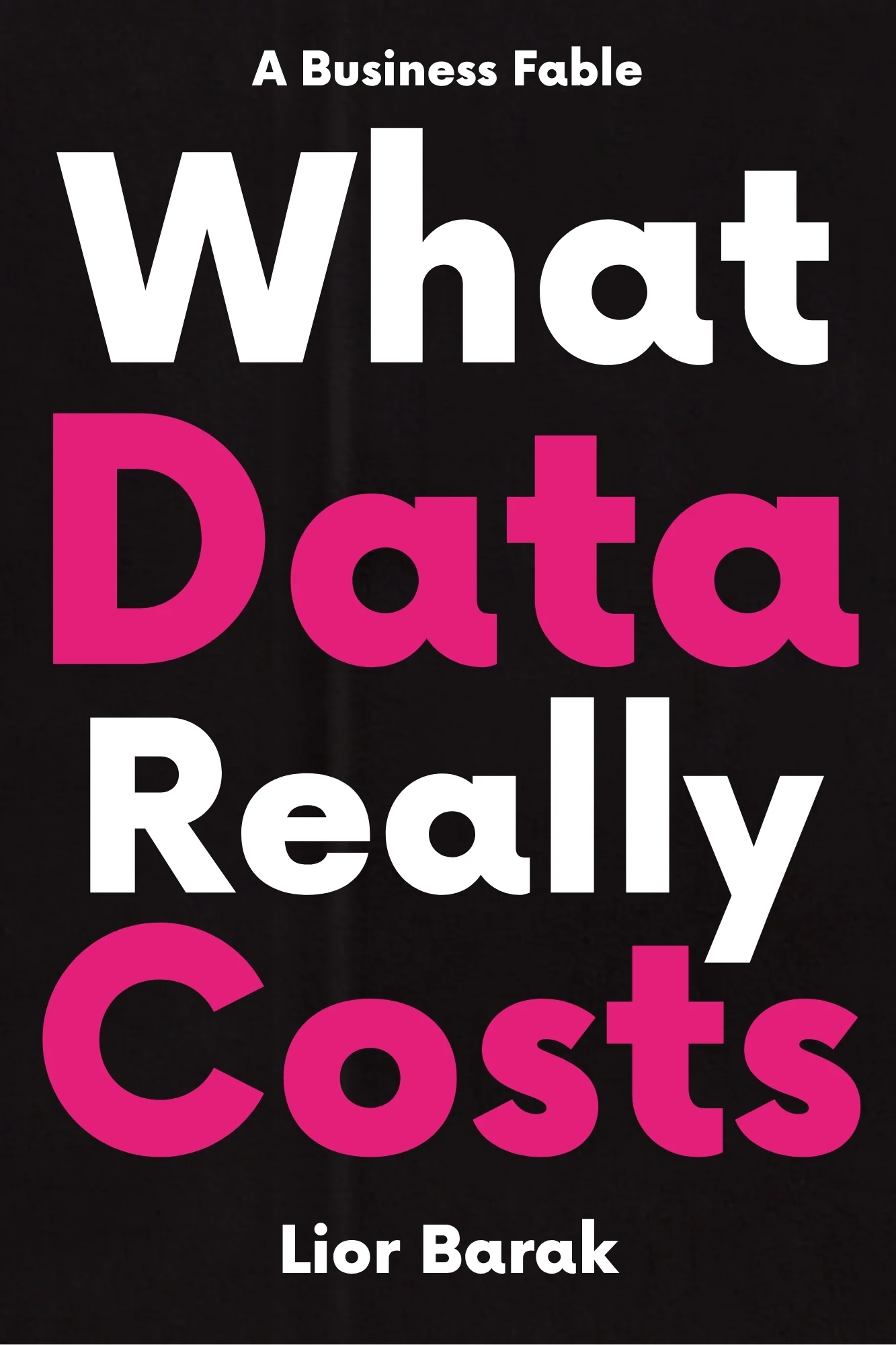
Cover of the book What Data Really Costs

Bring the one cost you can't explain.

Thirty minutes, no slides, no pitch.

Book a 30-minute call

Elsewhere: LinkedIn · Impact Operations newsletter · Books on Amazon